
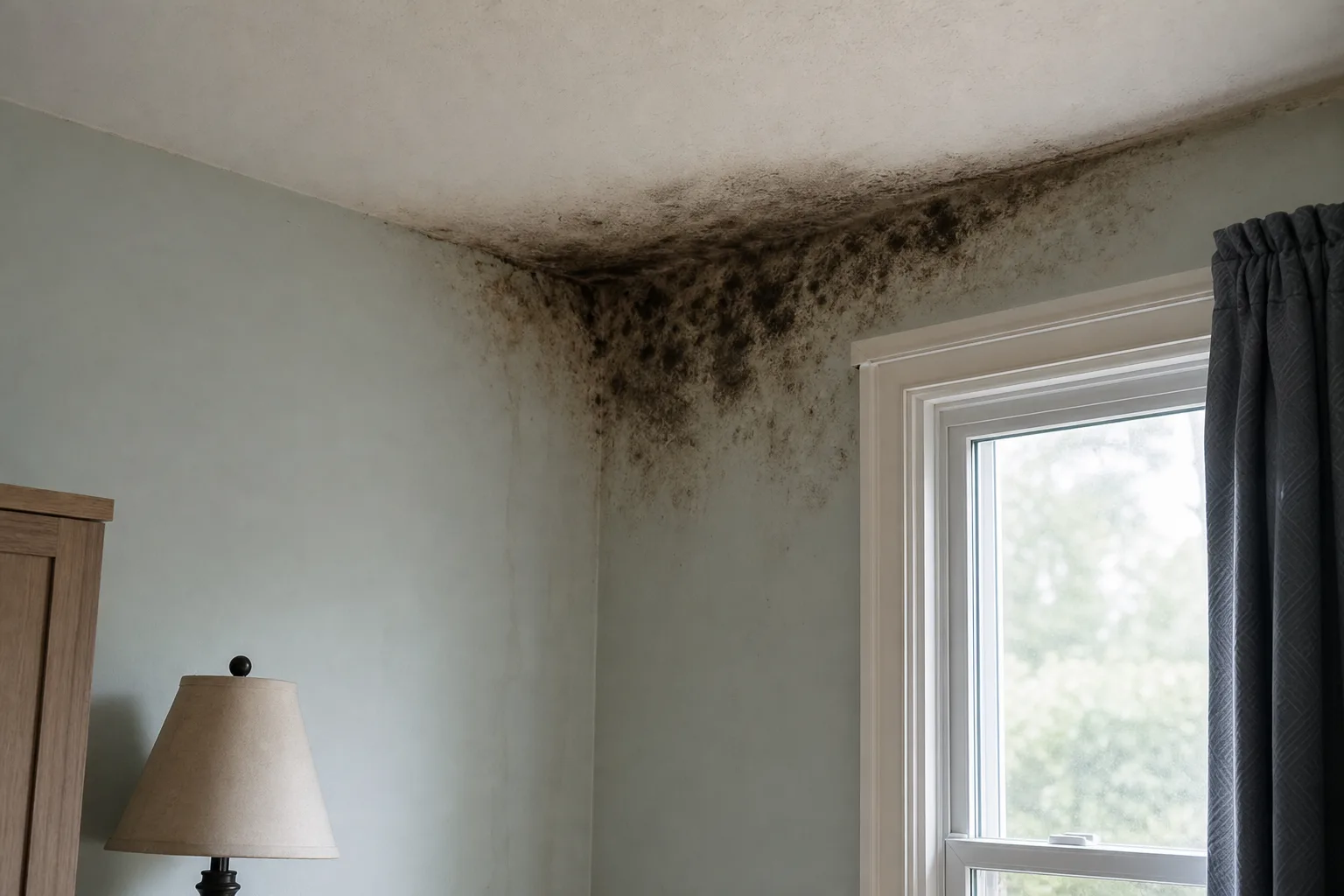
You see dark green or black patches on drywall, wood or grout, and your first question is how far the growth goes. The patch on the surface is only the part you can see. Behind it, the colony follows moisture into the wall cavity, under the baseboard and beneath the flooring.
United States · 13,746 covered ZIP codes
Black Mold Removal: Connect With a Local Specialist
Black mold removal starts with the surface you are looking at. Pick the line that matches, then call before it spreads.
- Name the surface: a wall, a shower, a vent, an attic or a crawl space.
- Growth keeps spreading while the material behind it stays damp.
- Everything starts with one phone call.
 Call before it spreads(713) 979-1653
Check your ZIP code
Enter the ZIP code of the property to see whether it is in the coverage area for mold removal connections.
Call (713) 979-1653Recognise the problem
What you can see, and what the building is hiding
The visible signs of black mold are the first column. The second is what keeps the growth alive inside the structure after the surface is cleaned.
Guides by surface
Immediate signs
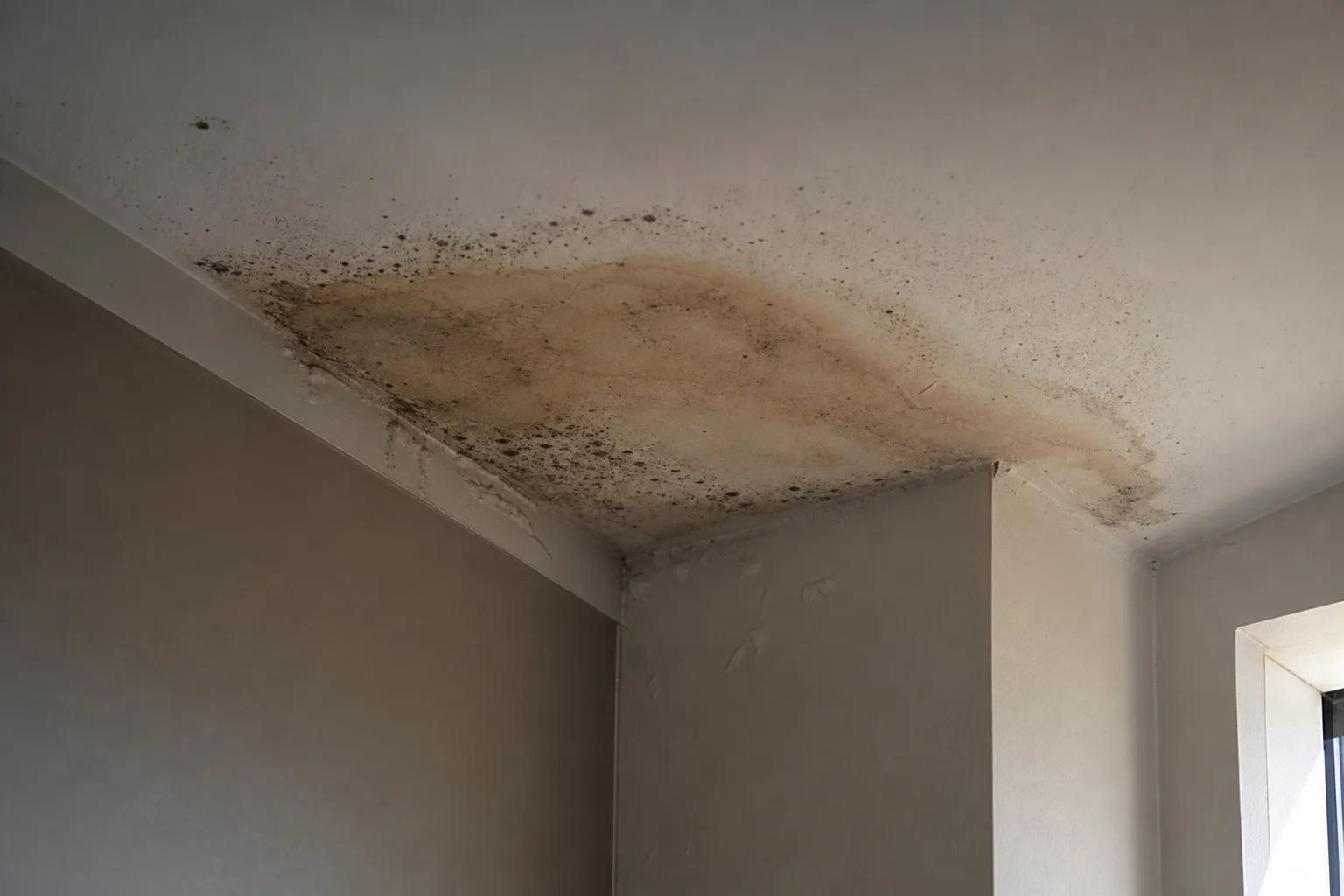
- Dark spotting on a wall or ceilingClusters of black, grey or green spots, often in corners, along baseboards and above windows.
- Grout, caulk or tile edges that darken againA patch that returns after cleaning points to moisture behind the surface.
- Paint that bubbles, peels or stainsWater has reached the paper face of the drywall under the paint.
- A musty smell with no visible sourceGrowth can sit inside a wall cavity, under flooring or above a ceiling.
Hidden conditions
- Damp drywall paper and framingGrowth feeds on drywall paper and wood, so the visible patch is rarely the whole job.
- A moisture source that is still activeA slow leak, condensation or poor ventilation keeps feeding the growth.
- Wet insulation and subfloorPorous material holds water long after the surface looks dry.
- Growth on the back of panels and in cavitiesThe side you cannot see is usually the larger side.
Why call
Why the first call matters
Moisture keeps feeding growth after the leak stops. Call as soon as you see it spreading, while removal can stay small.
- Visible growth usually means a wet material behind it, so the longer it waits, the more of the wall, floor or ceiling it reaches.
- Wiping or painting over growth spreads it and hides the signs; a specialist removes the affected material instead.
- Calls come from every state in the coverage area: call when you see the growth, not after it spreads to the next room.
1
Removal, not cleaning
Surface cleaning can handle a film on grout; growth in drywall, framing or insulation has to be removed.
2
Local conditions
Climate and housing age change where growth starts, so each state page sets out its own sourced conditions.
3
Call before it spreads
Keep clear of the growth and leave it undisturbed. Then call: the sooner the source is stopped, the more of the structure stays in place.
The process
Guesswork against a containment-first removal
The right-hand column describes the order professional black mold removal follows. The left shows what tends to happen when growth is wiped, painted over or left.
| Stage | Guesswork or delay | Containment-first removal |
|---|---|---|
| Containment | Opening a moldy wall without a barrier throws growth across the room. | Plastic barriers and filtered airflow isolate the work area before anything is opened. |
| The moisture source | Cleaning a patch while the leak runs means the growth comes back. | The source of the moisture is found and stopped so the removal holds. |
| Affected material | Painting or wiping over porous material leaves the growth behind it. | Porous material that holds growth is cut out and bagged; hard surfaces are cleaned. |
| Rebuild | Closing a wall over damp framing starts the cycle again. | Framing is dried and cleaned before new drywall goes up. |
What you are seeing
Dark Patches on Drywall, Wood or Grout
Paper facing on drywall, bare framing and carpet pad all feed growth, so a stain the size of your hand often sits on a much larger damp area. Professional black mold removal opens the wall, follows the growth to its edge and takes out everything it reached.
Color alone does not separate one growth from another, and a dark stain on grout can be soap scum or a colony. The material underneath tells the story: soft drywall, spongy wood and a musty smell point to growth with water behind it. Treat any dark patch on a damp surface as a removal question until a specialist says otherwise.
What waiting costs
Why Mold Keeps Returning to the Same Spot
Black mold needs three things: a food source, still air and moisture that does not leave. Your drywall, wood and insulation supply the food, so moisture is the only part you can take away. A slow supply line leak, a roof leak, condensation on a cold wall or a damp slab keeps that material wet for months.
Wiping a surface removes the color and leaves the roots in place. Growth returns through the paint within weeks, and the leak behind it keeps feeding it. Removal that ends the moisture problem is the only version that stays finished. Humid air carries the same effect on a smaller scale.
Cold surfaces such as exterior walls, window frames and duct runs collect condensation, and a film of water on paint or paper is enough to start a colony. Moisture control and removal belong in the same plan, because one without the other repeats the job.
Leave it undisturbed
Leave the Growth Undisturbed Until Removal Starts
Do not wipe, scrape, sand or brush the colony. Disturbing it throws spores into your room, and any airflow moves them onto clean surfaces. A patch in one bathroom turns into growth in a hallway closet.
Close the door to the affected room, keep fans off and keep children and pets out of it. Then call. Containment is the first stage of professional removal because it holds the spores where they are.
Housing and construction
What Waiting Costs Your Property
Every week your wall or floor stays damp, the colony digs deeper. Drywall softens and crumbles, carpet pad and insulation hold water against the framing, and wood subfloor stains and loses strength. Material that could have come out as a small cut turns into a full room of drywall, trim and flooring.
A larger affected area means a larger removal job and a longer rebuild. Waiting also moves the problem from one surface to several, because spores settle on every damp material in reach. Calling now keeps the job at the size you can see today.
Replacement cost is not the only loss. Stained and softened material loses its value in a sale, a refinance or a rental turnover, and a room sealed off for months stops earning its keep. Early removal keeps those rooms in use and keeps the repair list short.
How the call works
How a Small Patch Becomes a Whole-Room Job
In the first days, growth sits on the surface of one material. Within a few weeks, it works through paint, paper facing and the first layer of wood. After a season of leaking, it reaches your framing, your insulation and the room next door.
Each step adds material that must come out and dry before anyone can rebuild. You cannot see that progress from the room side, which is why a patch that looks stable still deserves your call this week.
Removal scope
What Professional Black Mold Removal Covers
Professional black mold removal treats the growth and the water behind it as one job. A local mold removal specialist scopes the work at your property and carries it through four stages.
- Containment
plastic sheeting and controlled airflow seal the work area from the rest of your house.
- Removal of affected material
drywall, insulation, carpet pad and other porous items that hold growth leave the building in sealed bags.
- Drying the moisture source
the wet area dries completely, and the leak that fed the colony is traced so you can have it repaired.
- Rebuild hand-off
the open wall or floor is clean, dry and ready for new materials.
Cleaning of solid surfaces such as framing and concrete runs alongside these stages, with filtered vacuuming for settled dust. Each stage has its own job, and skipping one brings the growth back.
Each stage leaves a clear result. Containment ends with sealed openings, removal ends with bare framing, drying ends with dry readings from the material, and the hand-off ends with a space a builder can close up. That sequence is the difference between removal and a cover-up.
See dark growth on a wall, floor or ceiling? Call now to connect with a local mold removal specialist.
(713) 979-1653Removal scope
Containment Keeps Spores in the Work Area
Containment goes up before any material comes out. Plastic sheeting seals doorways and openings, and filtered exhaust holds the work area at lower pressure than your living space, so air flows into the work area and never out of it.
You keep using the rest of your house while containment stands. Sealing the area also protects the furniture, floors and belongings you want to keep, because nothing leaves the room without being bagged.
Removal scope
Removal of Affected Material
Porous material that holds growth does not clean up, so it comes out. Drywall, insulation, carpet pad and ceiling tile are cut away past the visible edge and bagged inside the containment before they cross your house.
Solid framing and concrete stay. Those surfaces are cleaned back to sound material and vacuumed with filtered equipment, so the structure you keep is clean and ready to dry. Disposal follows the same discipline.
Bags are sealed in the work area, wiped down at the exit and carried out by the shortest path, so debris never crosses finished rooms. When the cut-out is done, the opening shows clean edges of sound drywall or framing, and that edge defines where the rebuild begins.
What waiting costs
Drying the Moisture Source
Black mold removal that skips drying fails. If your framing or slab stays wet, new growth shows up on the replacement drywall within weeks. Drying continues until the material is dry all the way through, and the source of the water gets traced so you can have the leak repaired.
Source work covers a leaking supply line, a roof or flashing leak, condensation on a cold wall, or ground moisture in a crawl space or basement. A plumber or roofer repairs the leak itself, and the removal leaves you a dry, clean area ready for that trade.
Drying is a measured step. Readings from the material, controlled airflow and dehumidification continue until the framing matches unaffected areas of the building. The job closes when the numbers say dry, not when the surface looks dry, and that rule protects the replacement drywall that follows.
Documentation
Passing the Clean Space to Your Builder
Rebuild hand-off means the open wall, floor or ceiling is clean, dry and ready for new drywall, trim and flooring. Your carpenter or general builder can start without waiting on moisture or leftover growth.
Keep the written scope of the removal, the list of materials taken out and the photographs of the open cavity. Those records tell the next trade exactly what was removed and what you still need replaced.
What you are seeing
Black Mold in a Shower or Bathroom
Black mold in a shower or bathroom starts where water gets past the surface: a failed caulk line, a cracked grout joint or a ceiling above a shower with no airflow. Black mold in a shower often runs behind the tile, where the backer board stays wet after every use.
Removal here can mean pulling tile and backer board back to dry framing. The job always includes the leak or ventilation problem that fed the growth, or you will see it again behind the new tile.
Bathroom fans matter more than most owners expect. A fan that vents into the attic or runs for a minute after a shower leaves humid air behind, and that air coats the ceiling above the tub. Removal gives you the chance to correct the ventilation before the new finish goes up.
What you are seeing
Basements and Crawl Spaces
Basements and crawl spaces stay damp because ground moisture pushes through slabs, footings and vapor barriers. Black mold in a basement collects on stored boxes, wall framing and the bottom edge of finished drywall. Black mold in a crawl space settles on joists and subfloor from below.
Both jobs need removal of the growth and drying of the moisture path. Without that, the same dampness coats your cleaned framing again by the following season. Stored items turn a damp basement into a larger job.
Cardboard, upholstery and untreated wood hold water and feed growth, and they leave with the debris. Clearing the space ahead of removal speeds the work and shortens the time belongings sit in a sealed room.
What you are seeing
Walls, Wood Framing and Attics
Black mold on drywall runs on both faces of the board, so a stain on the room side usually means more on the cavity side. Black mold on wood soaks into framing and subfloor, where cleaning and drying decide whether the piece stays or goes.
Black mold in an attic grows on roof sheathing and rafters when a roof leak or trapped warm air leaves the wood wet. Each surface changes the removal method, and each one starts with the same call.
What you are seeing
Black Mold in Air Vents
Dark growth on a vent cover or register points to moisture inside the duct or at the air handler. Black mold in air vents spreads wherever air moves over damp metal, flex duct or insulation, so a vent job always carries a moisture source with it.
Running your system while growth sits in the ductwork moves spores to every room it serves. Turn the system off until a local mold removal specialist has scoped the work.
State rules and checks
Why Removal Is Work for a Specialist
Professional black mold removal differs from household cleaning in scale and method. Containment, filtered air control, cutting out porous material and confirming dryness need equipment and training that a bucket and a rag do not provide.
Cleaning a visible patch leaves the growth inside the wall in place. Professional removal follows the growth to its edge, which is why it puts the leak, the drying and the rebuild hand-off into one plan.
How the call works
When Your Call Cannot Wait
Some jobs move to the front of the line: a burst pipe that soaked your drywall, a flooded basement with growth already showing, or a wall that stays wet after a leak repair. Emergency mold removal is urgent property damage response, and it begins with the same phone call.
Water that stays in your walls past the first days gives growth the head start it needs. Call as soon as you see dark patches, and the connection puts you in touch with a local mold removal specialist who can scope the work.
Visible growth after a flood, a pipe burst or a long roof leak does not stay a cosmetic problem. Wet insulation and subfloor keep the cavity damp, and growth runs along the wet path. Urgent response here means removal and drying starting as soon as the specialist can schedule your job, with no promise about arrival times.
State rules and checks
What Drives the Scope of Your Job
Scope depends on how much material the growth reached, not on how large the stain looks. The size of the wet area, the number of rooms involved, the type of material and how hard the space is to reach all change the work.
Porous drywall and insulation come out and get replaced. Solid framing and concrete get cleaned and dried instead. The specialist sets the scope with you, and any pricing comes from them, not from this service. Access changes the schedule more than the price tag.
A wall open on both sides, a vented attic and a ground-level crawl space move faster than a sealed cavity behind cabinets or a tiled shower surround. Describing the room and the surface when you call helps the specialist plan the containment.
Drying verified
What to Confirm Before You Hire
The specialist you connect with is independent, and this service does not warrant their work. Confirm their license, insurance and written scope yourself before work starts. Ask how they handle containment, drying and disposal.
Rules differ by state about who may evaluate a property and who may remove growth, so ask what your state allows. You should leave the conversation knowing what comes out, what stays and what the rebuild needs.
Documentation
Records to Keep From Day One
Photograph the growth, the damp source and every room it touched before removal starts. Save repair invoices and the written scope of work. These records show what you found and what changed.
Keep them in one folder with dates. When your rebuild crew or your insurer asks what happened, the answer is already on file.
State rules and checks
How the Call Works
You call one number and connect with a local mold removal specialist who serves your area. The connection is free to you, and you hire no one by calling. You decide after you hear what the job involves.
US Black Mold Removal is an independent connection service. It does not perform removal, and every specialist you reach runs their own business.
What you are seeing
Black Mold Removal in Your State
Property owners in mold removal in California, mold removal in Florida, mold removal in Pennsylvania and mold removal in New York use the same single number. Each of those states has its own removal context, and the connection reaches specialists who work there.
The same number serves mold removal in Texas, mold removal in Massachusetts, mold removal in Ohio and mold removal in New Jersey. You call, you describe the growth you see, and you hear what removal involves where you live.
Common questions
Black Mold Removal Questions
Is the call free?
Yes. The call and the connection cost you nothing, and you owe no one anything for calling. The specialist you reach quotes their own work, and you decide whether to hire them.
Does this service offer testing or inspection?
No. This service connects you for black mold removal only. It offers no testing, sampling or inspection, and a specialist you reach handles removal of the growth you can already see.
Should I clean the black mold myself?
Leave it undisturbed. Wiping or scraping a colony sends spores into your room and leaves the growth inside the wall behind it. Call a local mold removal specialist and let containment go up first.
What if I only see a small patch?
A small patch often marks a larger damp area behind the surface. Call now, while the removal can stay small and the material around it is still sound.
What happens to the material that comes out?
Drywall, insulation, carpet pad and other porous items are cut out, bagged inside the containment and removed from your property. Solid framing and concrete stay and get cleaned and dried.
Does removal include repairing the leak?
Removal includes drying the area and tracing the moisture source. A plumber, roofer or other trade repairs the leak itself, and you receive a clean, dry area for that work.
Who handles the rebuild after removal?
Your carpenter or builder replaces drywall, trim and flooring once removal ends. The hand-off leaves the opening clean and dry, so the rebuild starts without delay.
Can I keep using my house during removal?
Containment seals the work area from the rest of your house, so the other rooms stay in use where your layout allows. The specialist tells you what applies to your job.
Service area
States in the coverage area
- California 1,178 ZIP codes
- Florida 934 ZIP codes
- Pennsylvania 950 ZIP codes
- New York 711 ZIP codes
- Texas 613 ZIP codes
- Massachusetts 580 ZIP codes
- Ohio 590 ZIP codes
- New Jersey 577 ZIP codes
Coverage
13,746 ZIP codes are covered across the United States. Use the ZIP check near the top of this page, or call and the address of the growth confirms coverage.
Coverage is by ZIP code, not by state: a state page lists the areas it covers.
Black mold keeps spreading while the material stays damp.
Call before it reaches the next wall, the framing behind it or the room above.