
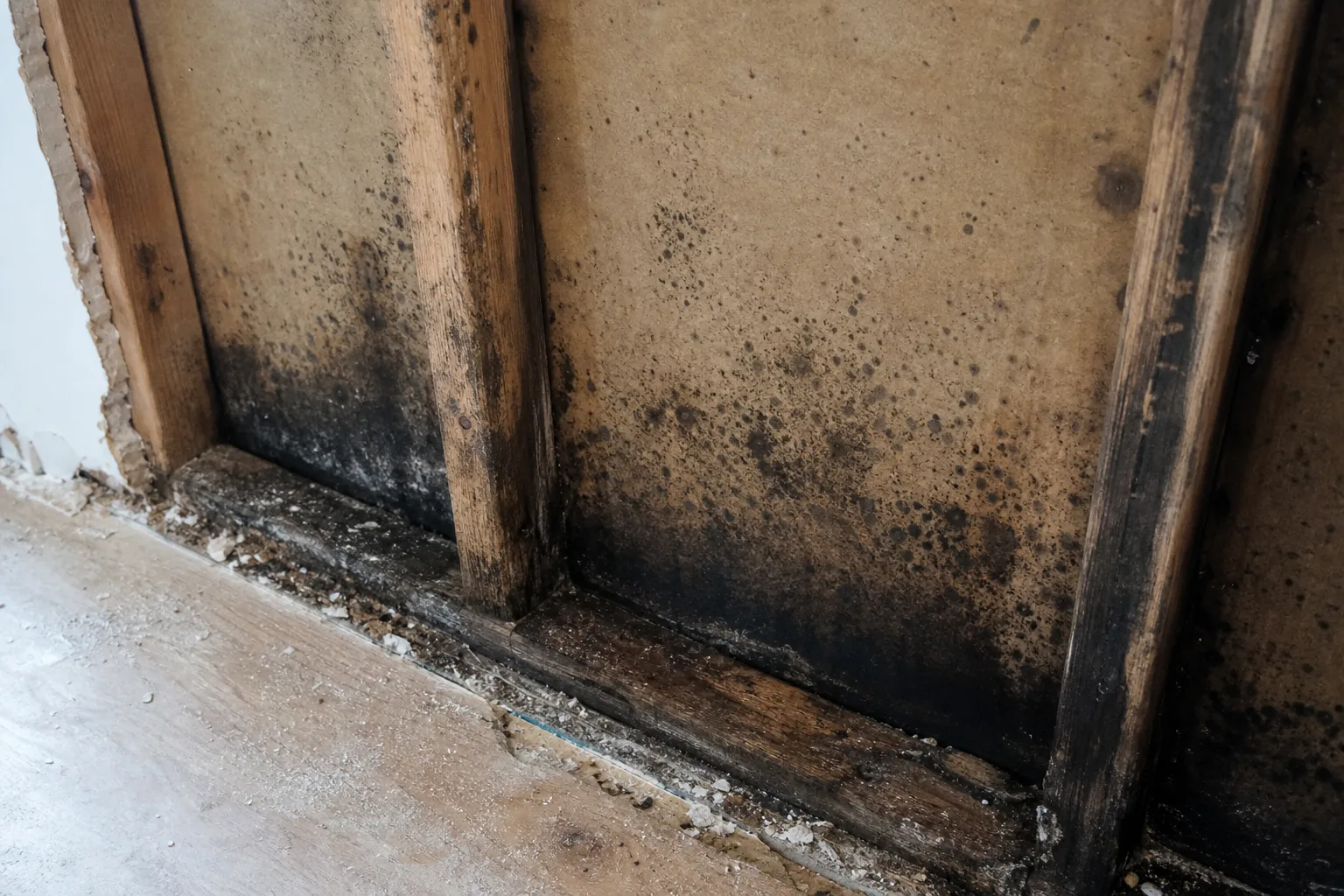
You find dark patches on the paneling of a finished basement, on the paper face of a drop-ceiling tile or along the bottom course of a painted block wall. Carpet over the concrete floor smells stale, and your rec room feels damp even on a dry day.
State · black mold removal
Mold Remediation in Ohio
Black growth on basement paneling, on a drop-ceiling tile or along the bottom course of a block wall calls for mold remediation in Ohio, and the first move is to shut the stair door and leave the room as it is. One call puts you in touch with a local mold removal specialist near you, and the connection carries no fee.
Local conditions
What shapes black mold in Ohio
Climate and moisture
ClimateOhio averaged 41.1 inches of precipitation a year from 1991 to 2020, 12.1 inches of it from June through August, and its December-to-February average temperature was 31 degrees Fahrenheit. Source: NOAA National Centers for Environmental Information, Climate at a Glance, Statewide Time Series (mean of the yearly values 1991-2020), retrieved 2026-11-12.
Winters that average below freezing put snowmelt and ice at the roof edge and foundation; materials that get wet and stay wet are where growth starts.Housing stock
HousingThe median housing unit in Ohio was built in 1971, and 62 percent of the state's housing units were built before 1980. Source: U.S. Census Bureau, American Community Survey (ACS 2024 1-year), tables B25035 and B25034, as published by Census Reporter, retrieved 2026-11-12.
Older plumbing, roofing and wall assemblies have had more years to leak, and repeated wetting behind finished surfaces is where growth is found.Checking a business
VerificationOhio's Construction Industry Licensing Board issues state licenses for five commercial trades: electrical, HVAC, plumbing, hydronics and refrigeration. Source: Ohio Department of Commerce, Ohio Construction Industry Licensing Board page, retrieved 2026-11-12.
An Ohio owner checks a mold removal business through local registration, references and proof of coverage, since the state board's licenses cover other trades.Check your ZIP code
Enter the ZIP code of the property to see whether it is in the coverage area for mold removal connections.
Call (713) 979-1653What you are seeing
Growth on Paneling, Drop Ceilings and Block Walls
Shut the stair door and leave the room as it is. Glass-block windows, the washer hookup and the cold-air return cut through a joist bay collect it first. Your nose often notices before your eyes do, so a stuffy smell near the stairs deserves a call.
In Ohio the first sign often sits at the lowest point of your house. A floor drain backs up, a window well fills or a sump pit stays full, and the water spreads under the carpet pad before your eyes catch it.
What waiting costs
Humid Summers on Cold Block and Lake-Effect Snow
Ohio's 1991 to 2020 normals show 41.1 inches of yearly rain and snow, 12.1 of them arriving in summer. Warm summer air carries that moisture indoors, and it condenses on cool block and concrete below grade.
Winters averaged 31°F, and lake-effect snow packs against your foundation, then trickles through the footing joint and the seam between wall and floor. A cold basement dries slowly, and materials that stay wet are where growth starts.
A frozen discharge line backs water toward your wall, and a roofline that dumps onto a flat lot floods the same corner. Your sill plate sits right where the wet gathers.
Housing and construction
Brick Houses, Split Foyers and Rear Additions
Postwar brick houses and split foyers sit on block basements with a sump pit in one corner, and many hold a rec room with paneling over furring strips. Moisture wicks into the strips and the back of each panel, so the face of your wall tells you little about the damp behind it.
Rear additions and older cottages often rest over a vented crawl space, where bare soil releases moisture into the joists all summer, a path set out in black mold in a crawl space. A wet basement wall is covered in black mold in a basement, and growth on a sagging ceiling follows black mold on drywall.
Older river-city houses in Ohio stand shoulder to shoulder, so a gutter failure next door can send damp across your lot line. Toledo and Cleveland lakeshore houses take sleet that drives sideways into window wells. In Youngstown, a brick-patched opening in the foundation seeps at the patch line, and in the Hocking Hills a lodge on posts lets dampness into the subfloor.
Removal scope
What Black Mold Removal Covers in Ohio Basements
Professional black mold removal hangs a plastic curtain at the stair head, so growth stays below and your upper floors stay clean. Paneling, furring strips, carpet pad, ceiling grid and soaked wallboard come out and travel up the stairs in sealed containers, and the sill plate and bottom plates are dried to clean wood. Block and poured concrete stay in place.
The sump pit, the drain tile and the window well are the water path, and a plumber or a drainage trade handles them, so removal covers the damaged materials only. A basement bar, a mechanical alcove and a built-in cabinet each trap a wall behind them, so your scope reaches those cavities when growth has traveled that far. Rim joists at the top of the wall are cut back to sound wood as well.
Black growth on basement paneling or a block wall in Ohio? Call to connect with a local mold removal specialist.
(713) 979-1653How the call works
From a Wet Midsummer to a Soft Bottom Plate
A wet midsummer leaves your cold block wall beaded with condensation, and by autumn the paneling has a dark edge. By the first lake-effect warm spell the carpet pad is saturated and the bottom plate is soft.
Cleveland's snow belt, Columbus's flat lots and Cincinnati's hillsides each send water to a foundation by a different route. Each season adds to what you carry out, so your call at the first dark edge keeps the job to one wall, and a flooded floor drain calls for emergency mold removal.
Local detail
Ohio Housing Age and Trade Licensing
Half of Ohio's housing units predate 1971, and 62 percent went up before 1980, according to 2024 estimates. The Ohio Construction Industry Licensing Board issues state licenses for five trades: electrical, HVAC, plumbing, hydronics and refrigeration. Mold removal is not one of them, so you check a business through local registration, references and written proof of coverage; this is consumer information only.
State rules and checks
Owners, Renters and Basement Apartments
If you own the house, call at the first dark edge and mention the drain to whoever services your pipes. A rented lower level sits right on the damp, so the household upstairs needs the news too.
If you rent, text the owner a photo and ask for a specialist near your address. US Black Mold Removal shows what happens when you phone.
Leave it undisturbed
Keep the Carpet Down and Phone
Leave the carpet and paneling where they are, since tearing them out scatters growth across the room. Close the main shutoff if a supply line feeds the damp, then phone.
Households across the Garden State shore meet the same muggy summers, so your steps match.
Common questions
Ohio Basement Questions
Why does Ohio basement paneling turn black?
Summer air condenses on cold block, and snow packed at the foundation drains slowly. Paneling and furring strips hold that damp against your wall.
Does a working sump pit mean my basement is safe?
A pit moves groundwater, and it does nothing for condensation on the walls. Dark growth means your materials stay wet, so call.
Does Ohio license mold removal businesses?
The state licensing board covers five other trades. Check local registration, references and written proof of coverage before work begins.
Can wet carpet in a basement be kept?
Carpet and pad that carry growth come out with the paneling. The concrete underneath stays.
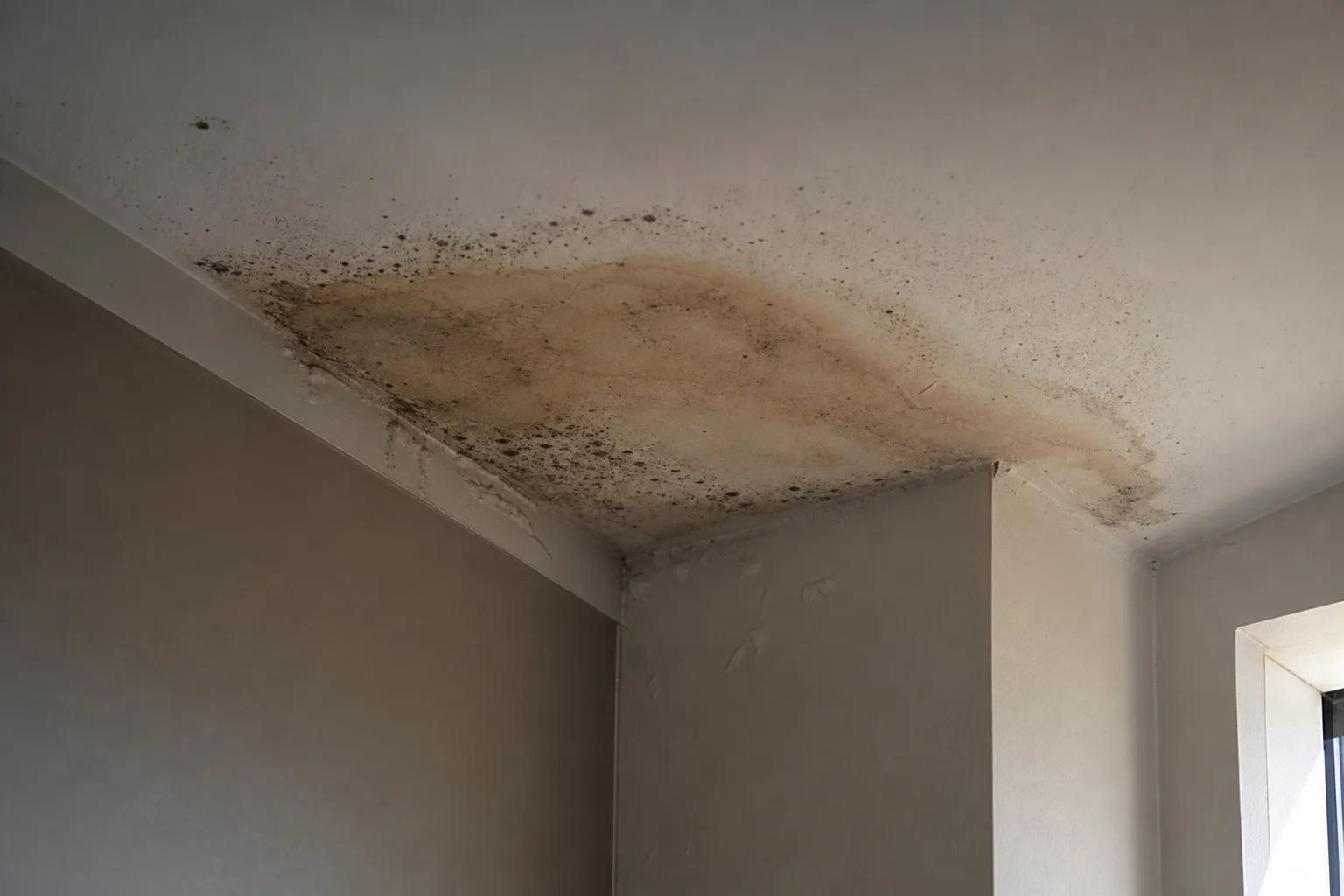
Black mold keeps spreading while the material stays damp.
Call before it reaches the next wall, the framing behind it or the room above.