
Your sliding glass door leaves a dark band along the bottom track, or the sill under a window turns gray and soft. A closet on an exterior stucco wall smells stale, and the back of your clothes rail shows black speckling.
State · black mold removal
Mold Remediation in Florida
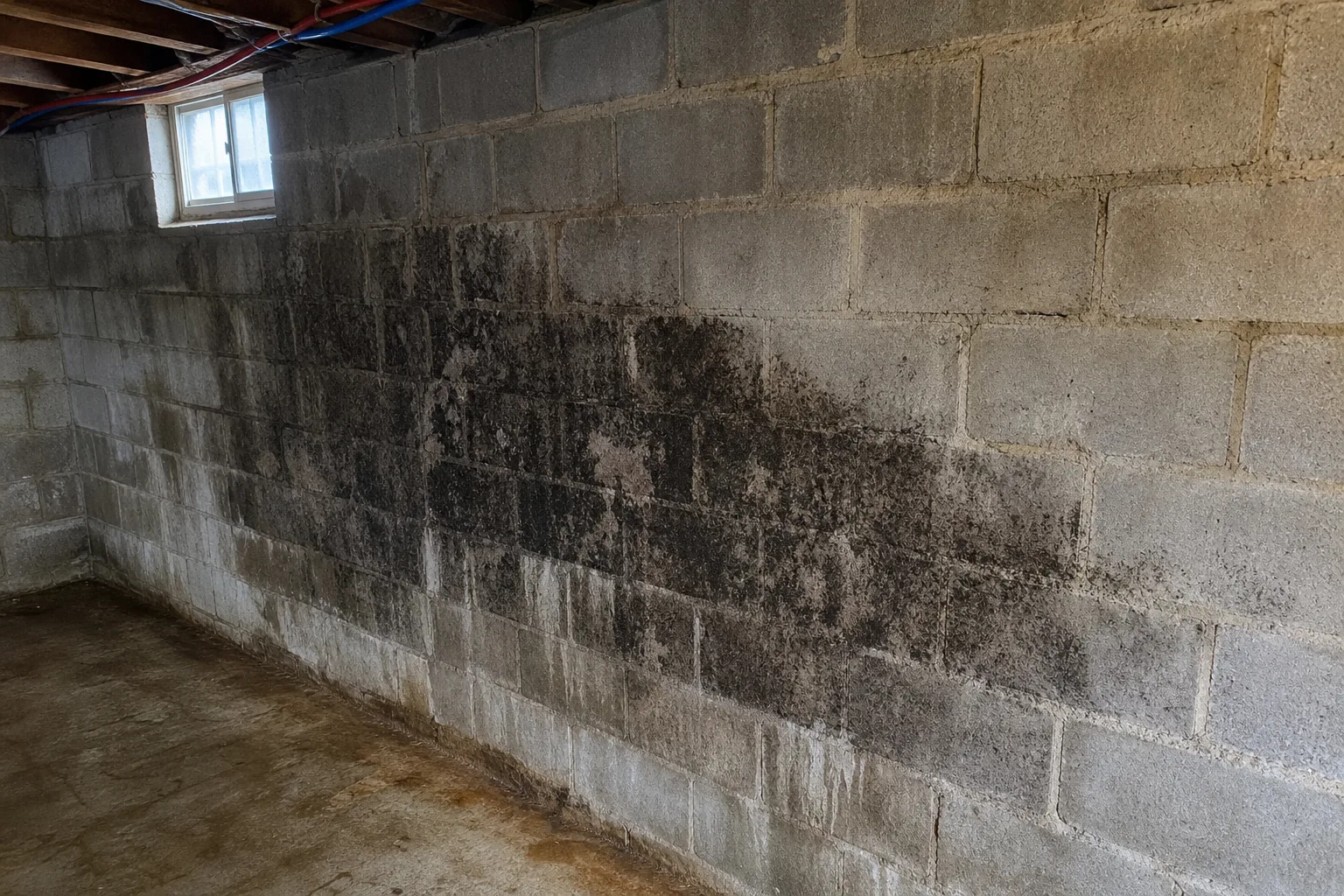
Black growth along a sliding-door track, on a window sill or in the corner of a closet on an exterior wall calls for mold remediation in Florida, and the first move is to keep your hands off it. One call connects you with a local mold removal specialist who serves your area, at no charge to you.
Local conditions
What shapes black mold in Florida
Climate and moisture
ClimateFlorida averaged 54.4 inches of precipitation a year from 1991 to 2020, 22.5 inches of it from June through August, and its December-to-February average temperature was 60 degrees Fahrenheit. Source: NOAA National Centers for Environmental Information, Climate at a Glance, Statewide Time Series (mean of the yearly values 1991-2020), retrieved 2026-11-12.
Most of the year's rain arrives in the warm months, so wet materials sit in heat; drying the source quickly is what limits spread.Housing stock
HousingThe median housing unit in Florida was built in 1990, and 32 percent of the state's housing units were built before 1980. Source: U.S. Census Bureau, American Community Survey (ACS 2024 1-year), tables B25035 and B25034, as published by Census Reporter, retrieved 2026-11-12.
Newer, tighter construction holds moisture indoors when a leak or a ventilation fault goes unnoticed behind finished surfaces.State mold rules
State rulesFlorida law sets state license rules for mold remediators in Chapter 468, Part XVI of the Florida Statutes (Mold-Related Services), administered by the Department of Business and Professional Regulation. Source: The Florida Statutes, Chapter 468, Part XVI, sections 468.84 and 468.8411 (Online Sunshine), retrieved 2026-11-12.
A Florida owner can ask any remediator for a state license number and look it up with the department before work begins.Check your ZIP code
Enter the ZIP code of the property to see whether it is in the coverage area for mold removal connections.
Call (713) 979-1653What you are seeing
Growth on Slider Tracks, Sills and Closet Corners
Leave each surface undisturbed and keep the closet door shut. In Florida this starts at the edges, where water enters at a threshold seam or a window frame and runs down inside the wall.
By the time your paint bubbles, the board behind it has been wet for weeks. Tile grout, the lower drywall by a bathroom door and the toe-kick beneath a vanity deserve a glance too, since a slow supply line darkens them first.
What waiting costs
Why Heat and Rain Keep Materials Wet
Florida's rainfall ran 54.4 inches a year across 1991 to 2020, and 22.5 inches of it fell in the three summer months. Winters still averaged 60°F, so a soaked wall never meets a cold snap that slows growth.
Wind-driven rain pushes through weep holes, failed caulk and flashing gaps during a storm. Warm, wet drywall paper and wood trim then feed growth for weeks, and how fast the source dries decides how much of your wall has to come out.
Housing and construction
Block Walls, Stucco and Tight Modern Shells
Concrete block under stucco soaks up rain and releases it slowly toward your interior, and a sealed, cooled house holds the humidity that follows. Water that gets in at a lanai door or a carport column seam stays in the cavity instead of venting out.
Hurricane shutters, impact windows and screened lanais each add seams. A shutter track that holds rainwater against a sill, or a pool deck that slopes toward a sliding door, keeps a threshold wet for weeks after the sky clears.
An air conditioner that sweats on a clogged condensate line can wet a ceiling the same way. Growth that rides along ductwork is covered in black mold in air vents, and a ceiling stain below the roof sits in black mold in an attic.
Removal scope
What Black Mold Removal Covers in Florida Homes
Professional black mold removal begins with a polyethylene curtain around the wet room, so growth stays out of the cooled rooms you still use. Wet drywall, baseboard and trim that carry growth are cut out and hauled away in debris bags, and the exposed block or framing is dried before the wall closes up again.
Tile floors over a slab come up in the wet zone, and a vinyl plank floor with trapped damp underlay goes with them. Slider frames and window openings are treated as water paths, since a removal that ignores the entry point returns with your next storm. The opened wall then goes to the carpenter and painter.
Black growth on a sill, slider track or stucco wall in Florida? Call to connect with a local mold removal specialist.
(713) 979-1653How the call works
From One Storm to a Closed House
A storm leaves your threshold wet on Monday, and by Friday the damp track looks harmless. Within a few weeks the wall behind it is dark, and a house shut for the rest of the summer lets the growth spread unseen.
That is why a vacation house shows more when you open it than when you left. A quick call keeps your job to the wall that took the water, as emergency mold removal lays out for storm damage.
Local detail
Florida Housing and Mold-Related Services Law
Florida's stock is newer: the typical home dates to 1990, and just 32 percent of units pre-date 1980 (2024 survey). Florida Statutes Chapter 468, Part XVI, sets state license rules for mold remediators and is administered by the Department of Business and Professional Regulation. You can ask any remediator for a state license number and look it up with the department; treat this as context, not legal guidance.
State rules and checks
Seasonal Homes, Short Stays and Townhomes
If you own a winter home, a neighbor or property manager who walks through it finds growth first, and your call can start before you arrive. If you lease, text or email the manager a photo and connect with a specialist who serves the building.
A snowbird who returns in November opens a house that sat closed through hurricane season, so a neighbor's look inside beforehand saves surprises. A townhome shares walls, drains and a roof, so the water source may sit in the unit next door.
Your call stays the same, and the US Black Mold Removal connection carries no charge. A short-term rental that turns over between guests needs the call placed as soon as the growth is seen, because the next booking depends on a sealed room.
Leave it undisturbed
Leave the Growth Alone and Make the Call
Do not wipe the sill or aim a fan at the spotting, because moving air and a wet rag carry growth across the room.
Keep the door shut, and close the water line if you traced the source to a fixture. Owners in Texas mold remediation see the same Gulf humidity, and your steps match: leave the growth, stop the leak and phone.
Common questions
Florida Homeowner FAQs
Why does black mold return so fast in Florida?
Warm winters and heavy summer rain keep wet materials wet. Growth comes back when the water path stays open, so your removal scope includes the threshold, sill or seam that let the water in.
Is a damp sliding door track a mold problem?
A dark band that stays damp tells you water reaches the wall behind it. Leave it alone and call before the board goes soft.
Can I close up my vacation home and deal with it later?
A shut house traps humidity and gives growth the time to spread. Call as soon as you see it, even from another state.
Should I check a remediator's state license?
Florida law sets license rules for mold remediators, and you can look up a license number with the Department of Business and Professional Regulation before work begins.
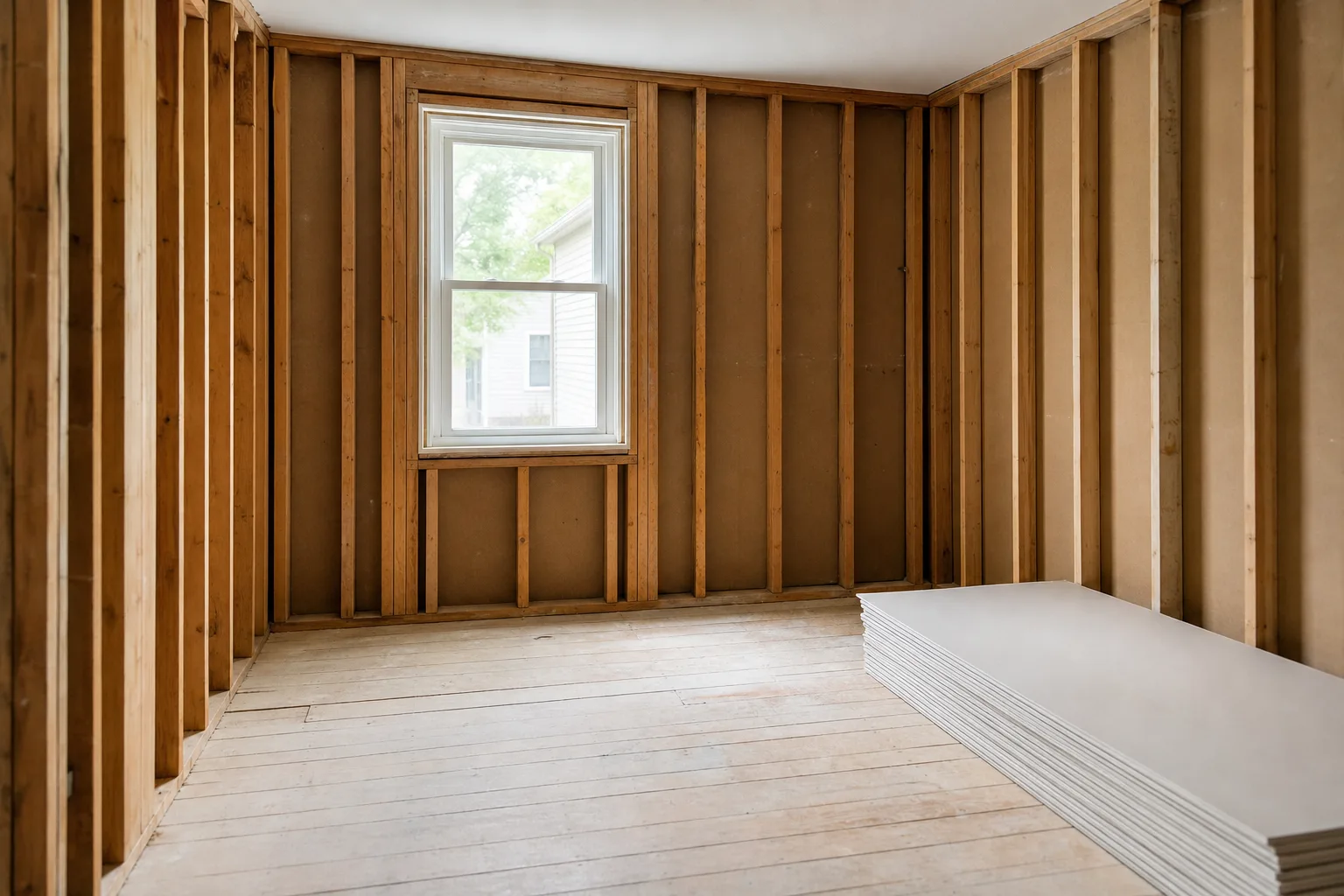
Black mold keeps spreading while the material stays damp.
Call before it reaches the next wall, the framing behind it or the room above.