
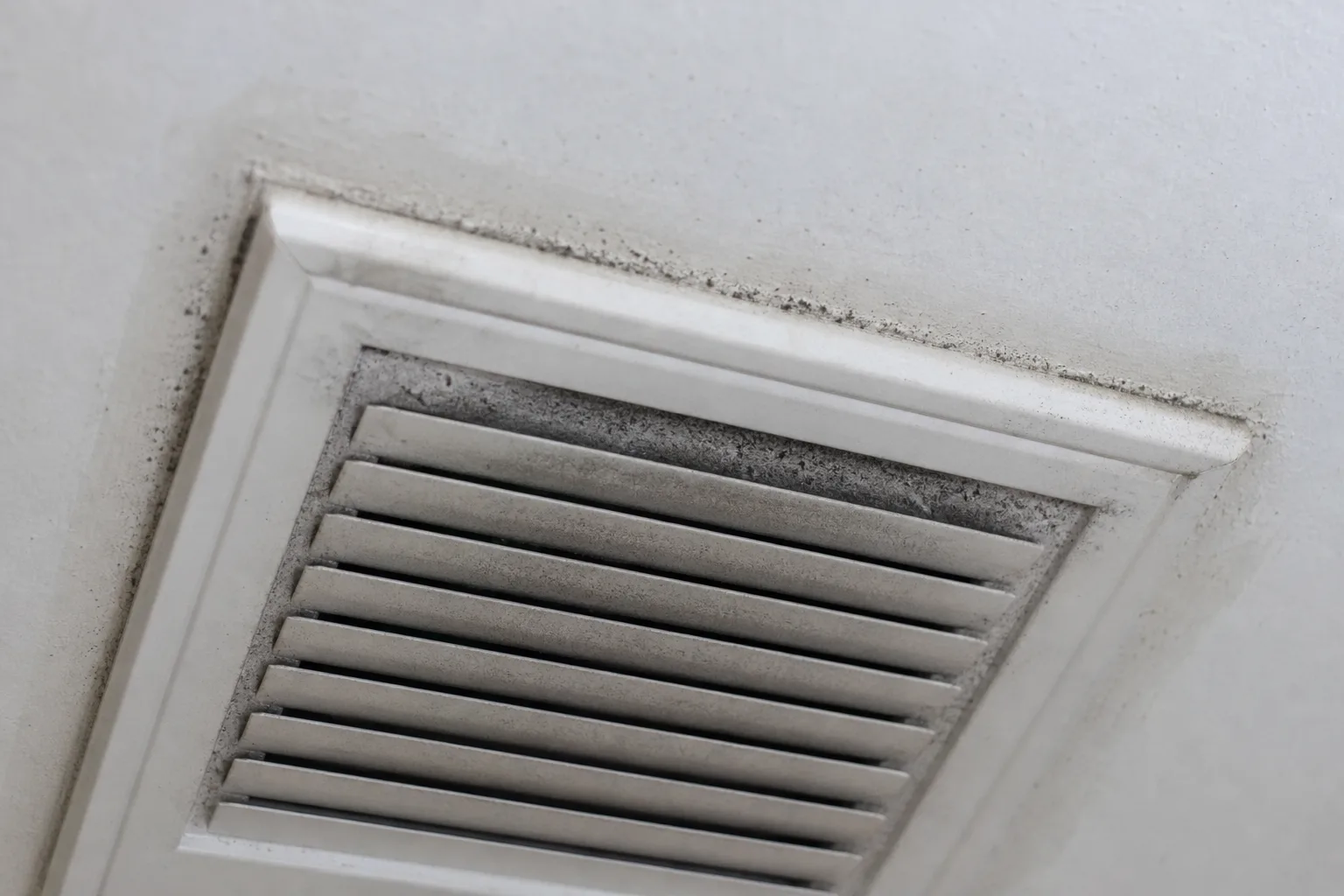
You see dark flecking on the underside of your roof sheathing, on rafters near the eaves or on the ceiling of an eave bump-out or dormer. A rafter cavity that smells like wet cardboard and a stud wall that feels cold and tacky point to the same trouble. Close the attic hatch and touch nothing.
State · black mold removal
Mold Remediation in Massachusetts
Black freckling on roof sheathing, along the rafters or on a dormer wall calls for mold remediation in Massachusetts, and the first move is to close the attic hatch and touch nothing. One call connects you with a local mold removal specialist who serves your street, at no cost to you.
Local conditions
What shapes black mold in Massachusetts
Climate and moisture
ClimateMassachusetts averaged 48.6 inches of precipitation a year from 1991 to 2020, 12.1 inches of it from June through August, and its December-to-February average temperature was 29 degrees Fahrenheit. Source: NOAA National Centers for Environmental Information, Climate at a Glance, Statewide Time Series (mean of the yearly values 1991-2020), retrieved 2026-11-12.
Winters that average below freezing put snowmelt and ice at the roof edge and foundation; materials that get wet and stay wet are where growth starts.Housing stock
HousingThe median housing unit in Massachusetts was built in 1965, and 66 percent of the state's housing units were built before 1980. Source: U.S. Census Bureau, American Community Survey (ACS 2024 1-year), tables B25035 and B25034, as published by Census Reporter, retrieved 2026-11-12.
Older plumbing, roofing and wall assemblies have had more years to leak, and repeated wetting behind finished surfaces is where growth is found.Checking a business
VerificationMassachusetts requires home improvement businesses to register with the Commonwealth through a program run by the Office of Consumer Affairs and Business Regulation, which offers a public lookup and takes consumer complaints. Source: Mass.gov, Office of Consumer Affairs and Business Regulation, home improvement registration program page, retrieved 2026-11-12.
A Massachusetts owner can look up a business's state registration before signing for removal or rebuild work.Check your ZIP code
Enter the ZIP code of the property to see whether it is in the coverage area for mold removal connections.
Call (713) 979-1653What you are seeing
Growth on Sheathing, Rafters and Dormer Walls
In an older Massachusetts house, the wet side of your roof is rarely the side you can see. Warm air from the rooms below leaks into the cold attic, and condensation that freezes on the sheathing thaws on the first mild afternoon.
What waiting costs
How a Cold Coast Winter Wets the Roof Edge
Massachusetts received 48.6 inches of rain and snow a year across 1991 to 2020, with 12.1 inches of it arriving in summer. Winter months averaged 29°F, so snow melts against the warm center of your roof and refreezes at the eaves.
Meltwater then backs up under the shingles and runs down inside the wall. A cold attic dries slowly, and wet sheathing, rafters and top plates keep their moisture for months. Materials that stay wet are where growth starts.
Housing and construction
Three-Deckers, Capes and Clapboard Colonials
A three-decker stacks three sinks, three tubs and one roof, so a single failed flashing or a weeping waste line wets floors that other households walk on. Balloon-framed walls run open from the cellar to the attic, and damp rises through every floor.
Gambrel roofs and kneewall attics on Dutch Colonials trap cold air behind short walls, and a slate roof on a gabled Queen Anne fails at its junctions and chimney flashing, so the stain shows up two rooms from the leak.
Clapboard siding over old sheathing wicks rain at corner boards and window casings, and a cedar-shingled Cape takes damp off the harbor. Growth on framing is covered in black mold on wood, and a wet cellar bulkhead in black mold in a basement.
Removal scope
What Black Mold Removal Covers in Massachusetts Houses
Professional black mold removal starts with a sheeted screen over the attic hatch or the stair door, which keeps your living floors clear. Wet sheathing, batts and wallboard come out in sealed hampers, and rafters and top plates are dried to bare lumber.
A bathroom duct that ends under the roof insulation, an open chimney chase and a missing soffit baffle are the water paths a removal scope names, because the same wet returns each January. The cut-out then passes to the roofer, the insulator and the carpenter, and removal stops where the growth stops.
Black growth on roof sheathing or a dormer wall in Massachusetts? Call to connect with a local mold removal specialist.
(713) 979-1653How the call works
From One Winter Storm to a Soft Rafter
A January storm leaves meltwater under your shingles, and by March the sheathing is dark. By summer the damp reaches the rafters and the ceiling below shows a yellow stain. A nor'easter buries a dormer junction under a snowbank, and a leak there hides until the thaw.
Each winter adds a layer of damage, so your call at the first dark patch keeps the job to a few feet of roof deck, as black mold in an attic describes.
On Cape Cod and the islands, a shingled cottage closed from October to May sweats behind its cladding. In the Berkshires, a farmhouse under a standing-seam roof drips from frozen sheathing, and in Fall River a mill-era brick block wets along its gutter line.
Local detail
Massachusetts Housing Stock and Business Registration
Half of all Massachusetts homes went up by 1965, and two of every three units date to before 1980 (2024 housing tables). The Office of Consumer Affairs and Business Regulation runs a state registration program for home improvement businesses, with a public lookup and a complaint process. You can check a business there before you sign for removal or rebuild work; this is consumer information, not a legal opinion.
State rules and checks
Owners, Condominium Trustees and Leaseholders
If you own a house, call as soon as you see growth and tell your roofer. A three-decker split into condominium units shares one attic, so bring the trustees in early. If you rent, show the pictures to the building owner and ask for a specialist near your building.
Boston, Worcester and Springfield each hold dense rows of older multifamily houses, and your call stays the same wherever you live. Owners of New York brownstones and co-ops face shared roofs too, and US Black Mold Removal explains the connection ahead of your call.
Documentation
Records and Photographs Worth Having at Hand
Write down the room, the day your ceiling first changed color and any roofing or insulation work done since you moved in. Take a few photographs from the landing, a few feet back, with the full wall in frame.
Those details show the specialist how long water has run and which materials sit behind the patch, and they help your roofer and carpenter later. Dates on old invoices for shingles or loose-fill cellulose often explain where the water entered.
Leave it undisturbed
Hold Still and Make the Call
Do not pull down insulation for a closer look, and do not set a fan in the hatch, because moving air carries growth down your stairwell. Latch the hatch, turn off a leaking pipe at its shutoff and reach for the phone.
Common questions
Massachusetts Household Questions
Why does black mold form under Massachusetts roofs in winter?
Meltwater refreezes at the eaves and backs up under shingles, and a cold attic dries slowly. Growth starts where your sheathing and rafters stay wet.
Does a three-decker change the call?
The call stays the same, but the attic and the waste line are shared. Tell every unit so the work gets a free path in.
Where can I check a Massachusetts business before I sign?
The Office of Consumer Affairs and Business Regulation offers a public lookup of home improvement registrations and takes consumer complaints.
Who repairs the flashing or the soffit?
A roofer or carpenter closes the water path. Removal covers only the material that already carries growth.
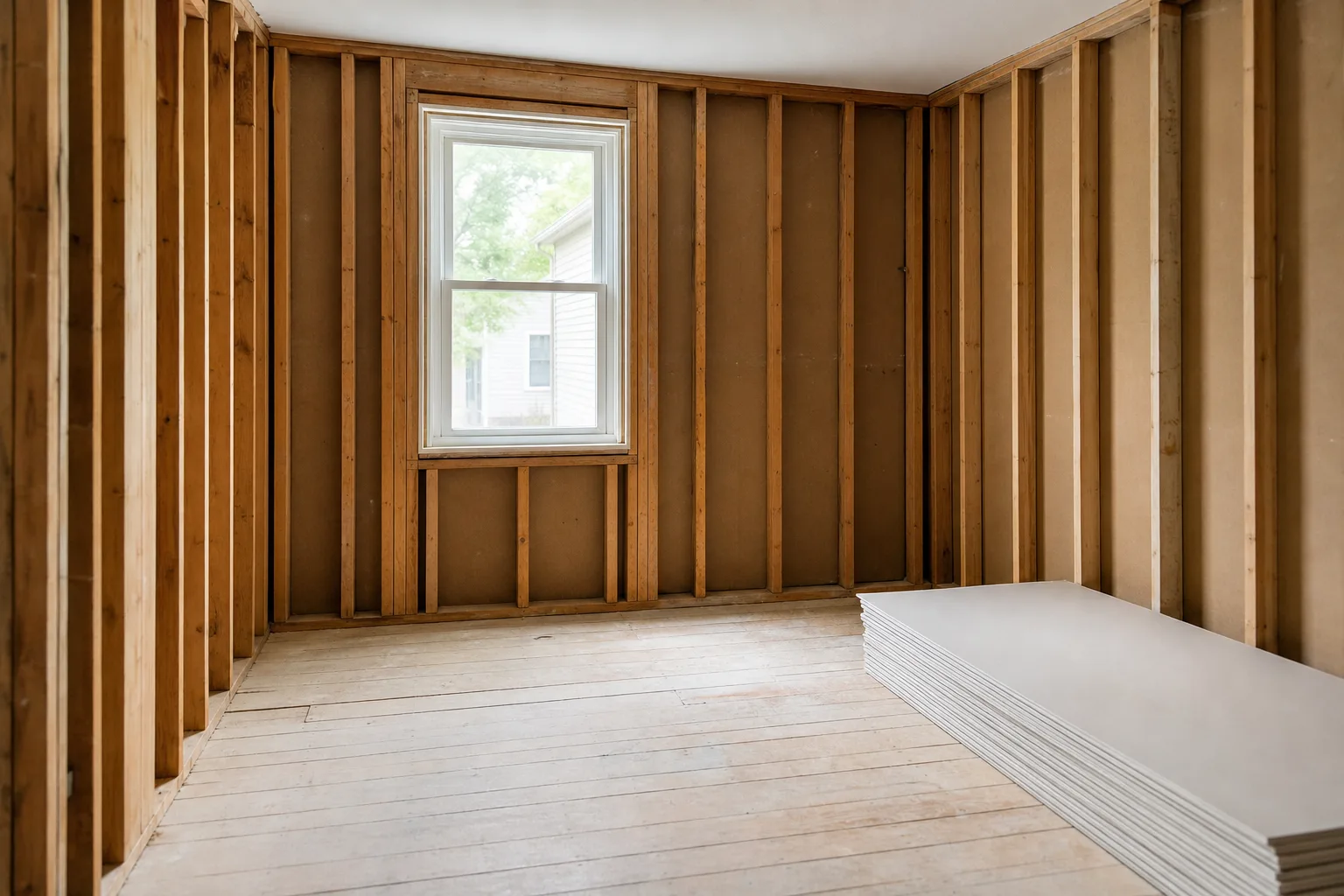
Black mold keeps spreading while the material stays damp.
Call before it reaches the next wall, the framing behind it or the room above.